Building a Dutch-Inspired Coffee Break That Feels Like a Mini Escape
A coffee break is a small ritual. It can be a quick caffeine fix or a moment that resets your afternoon. A Dutch-inspired coffee break leans into the second idea. It slows things down just enough to make the pause feel intentional. The centerpiece is often a sweet, sturdy wafer cookie that sits on top of a hot cup, softening as the steam rises. This tradition is simple to recreate at home, and a few thoughtful choices make it feel authentic rather than forced.
Start With the Right Cookie
The heart of the Dutch coffee break is the filled wafer. Look for caramel filled wafels that have a thin, crisp outer disc and a filling that is more syrup than cream. The filling should be warm and sticky, not stiff. The texture matters: the wafer should soften slightly from the heat of the drink without turning into mush. A good caramel filled wafel holds its shape for a minute or two, then yields a chewy bite. Brands vary in sweetness and thickness, so try a couple to see which balance you prefer. Some versions add a little fiber or reduce the sugar, which can make the break feel lighter without losing the traditional character.
Choose Your Vessel
The mug or cup you use affects how well the cookie softens. A wide, flat-topped mug gives the wafer room to rest without sinking into the liquid. A narrow cup forces the edges to curl over the rim, which can trap steam unevenly. A ceramic mug with a straight rim works best. Avoid very tall cups or those with a narrow opening, because the steam will not reach the whole surface of the cookie. If you drink from a glass mug, note that it loses heat faster, so the softening process is shorter. Metal travel mugs are a poor choice for this ritual because the lid blocks the steam entirely.
Pick a Drink That Cooperates
The cookie needs heat and moisture from the drink to soften, but the drink itself should be something you enjoy on its own. Black coffee, espresso, latte, or even a strong black tea all work well. The key is that the drink is hot enough to produce visible steam. If you let the coffee cool before placing the wafer on top, the cookie stays hard and the filling does not warm up. For tea drinkers, a bold breakfast blend or an Earl Grey with a hint of bergamot pairs nicely with the caramel notes. Avoid iced drinks or lukewarm beverages for this particular ritual; they will not activate the cookie in the same way.
Time the Placement Right
Place the caramel filled wafel on the rim of the cup immediately after pouring or brewing your drink. The first thirty seconds are critical: the steam rises quickly, then slows as the liquid cools. If you wait too long, the cookie will not soften enough before you take your first bite. A common mistake is to set the cookie on the cup and then walk away for several minutes. The cookie can become too soft and break apart into the drink, leaving you with a soggy mess. A minute to a minute and a half is usually the sweet spot. Watch for the filling to start glistening on the surface, then lift the cookie off and take a bite before it falls apart.
Consider the Accompaniments
A Dutch coffee break is not a full meal, but a few small extras can round it out. A small piece of dark chocolate or a plain butter cookie adds contrast to the sweet caramel. Fresh fruit, such as a few slices of apple or pear, cuts the richness. A handful of almonds or walnuts brings a savory note. The idea is to keep the plate simple so the filled wafer remains the focus. Avoid salty snacks like chips or pretzels, which clash with the caramel flavor. If you serve the break to guests, arrange the cookies and accompaniments on a small board or plate so everyone can help themselves.
Set the Atmosphere
The setting matters more than you might think. A cluttered desk or a rushed kitchen counter works against the pause you are trying to create. Clear a small area. Use a cloth napkin or a small tray to define the space. Dim the overhead light if you can, or turn a lamp on nearby. The Dutch tradition is about taking a moment, not about the food alone. Even thirty seconds of quiet before you sip helps shift your mind away from the task list. If you are taking the break with someone else, avoid discussing work or schedules for the first few minutes. Let the experience of taste and warmth settle before conversation starts.
Watch the Temperature
The drink should be hot but not scalding. If the liquid is too hot, it can cause the caramel to run off the edges of the cookie before you get a chance to bite it. If it is too cool, the cookie stays rigid. A good rule of thumb is to let your freshly poured coffee sit for about twenty seconds before placing the wafer on top. This gives the temperature a chance to settle into the range where the steam is active but not aggressive. If you are using an espresso-based drink, the smaller volume of liquid means the steam dissipates faster, so place the cookie right away.
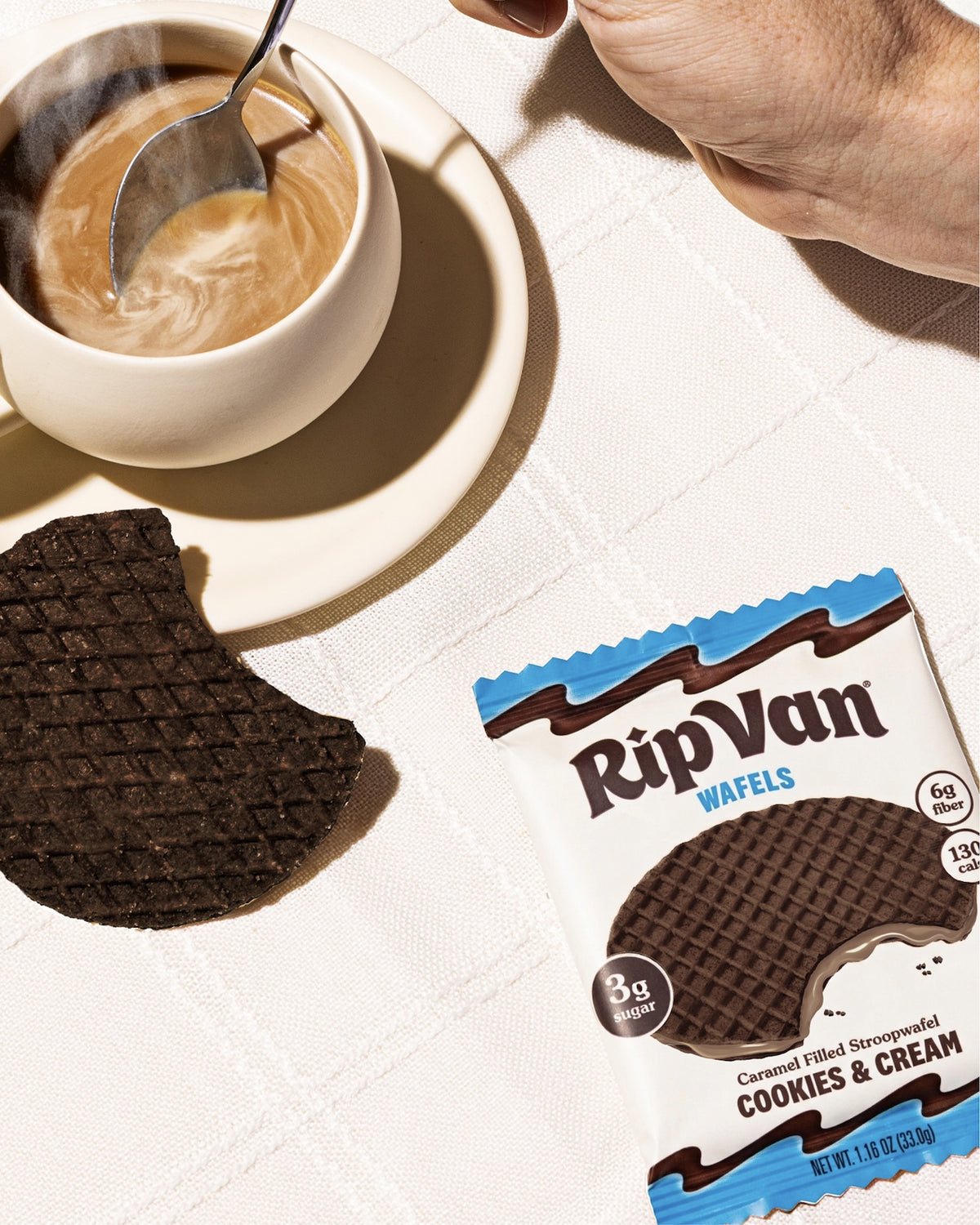
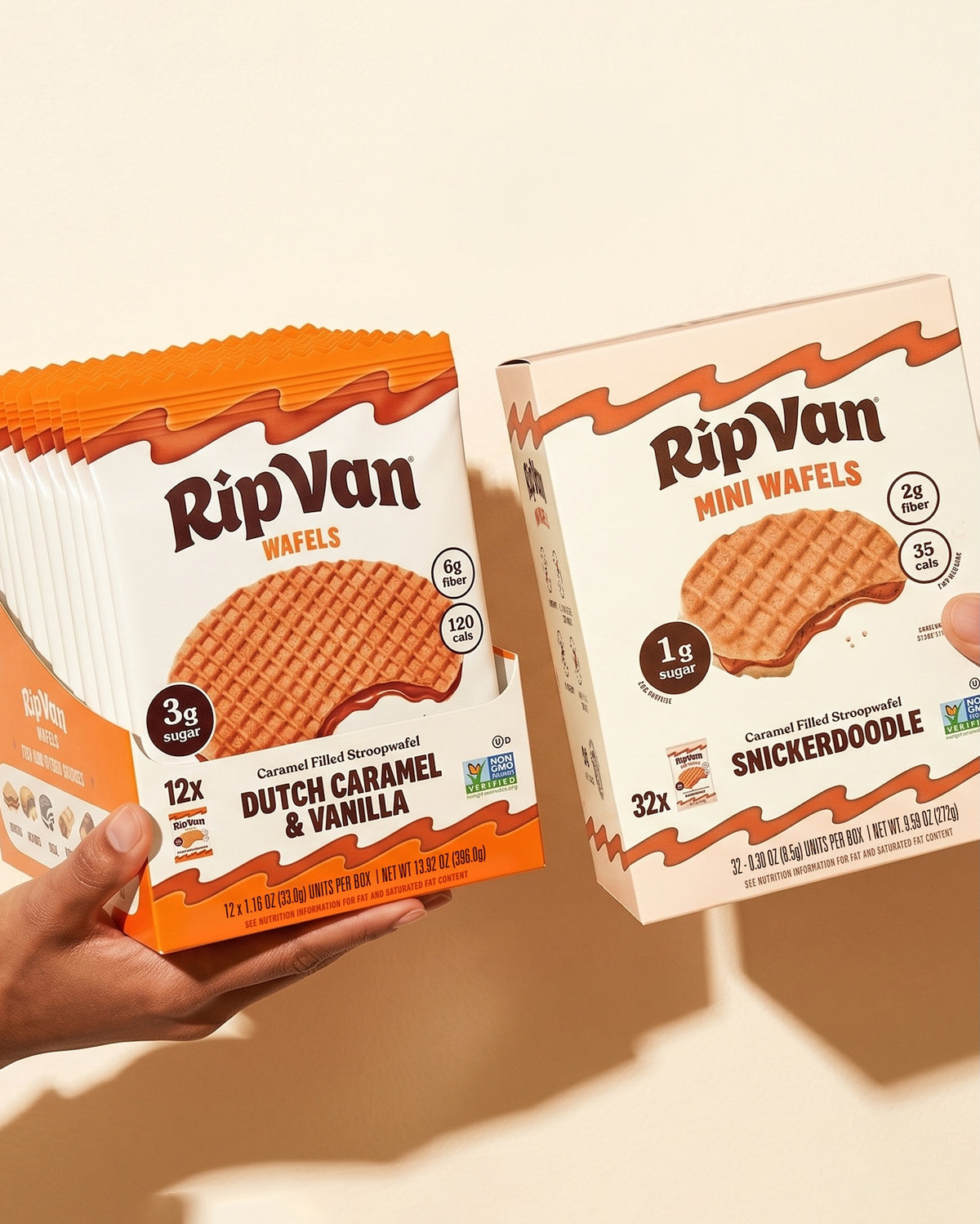
Rip Van offers low-sugar Dutch stroopwafels and other filled wafer snacks with chewy centers and added fiber, which align well with this style of break. Their version of the caramel filled wafel keeps the traditional soft texture while reducing the sugar load, so you can enjoy the ritual without a sharp energy spike. That makes it easier to return to work or conversation without feeling sluggish afterward.
Plan the Timing in Your Day
A Dutch-inspired break works best when you are already a little hungry and a little tired. Mid-morning, around 10:30, or mid-afternoon, around 3:00, are natural slots. The break should last about ten minutes from start to finish. Any longer and the cookie gets cold, the drink goes flat, and the pause loses its shape. Set a loose timer if you tend to stretch breaks into lost hours. The goal is to return to your day feeling refreshed, not to escape for half an hour.
Keep the Ritual Flexible
You do not need a special kettle, a specific brand of cookie, or a handmade mug. The core elements are a hot drink, a caramel filled wafel, and a few minutes of attention. If you have only instant coffee, it still works. If your only cookie is a generic supermarket brand, try it anyway. The ritual adapts. The point is the intentional pause, not the perfection of the ingredients. Over time, you will learn which cookie softens best with your usual drink, how long to wait, and whether you prefer a bite before the cookie touches the drink or after it has steeped for a full minute.
Rip Van makes a version of the caramel filled wafel that fits this flexible approach, with a texture that softens predictably and a sweetness level that does not overwhelm your coffee or tea. Their product line focuses on keeping the traditional Dutch experience accessible while adjusting the nutritional balance, which is helpful if you are managing sugar intake but still want the sensory pleasure of the original.

Make It Your Own
Once you have the basic rhythm, experiment. Try a different drink: a milky chai, a matcha latte, or even a hot chocolate. Each liquid changes how the wafer softens and what flavors come forward. Try warming the cookie on a radiator or the top of a toaster for a few seconds before placing it on the cup, which gives the caramel a head start. Try breaking the wafer into pieces and dipping them into the drink like a biscotti. None of these are strictly traditional, but they keep the practice alive and personal. The Dutch coffee break is a living tradition, not a museum piece. Adapt it to what you have and what you like.